Farmington, MI · Garage Door Service
Why Farmington's Older Housing Stock Changes How We Fix Doors
Farmington's housing stock dates to 1938-1986, mostly 1960s-70s builds, facing severe cold winters. See what that means for your garage door, springs, and weather seals.
- Repairs & new doors
- Springs & openers
- Serving 6 nearby communities
What Local Conditions Do
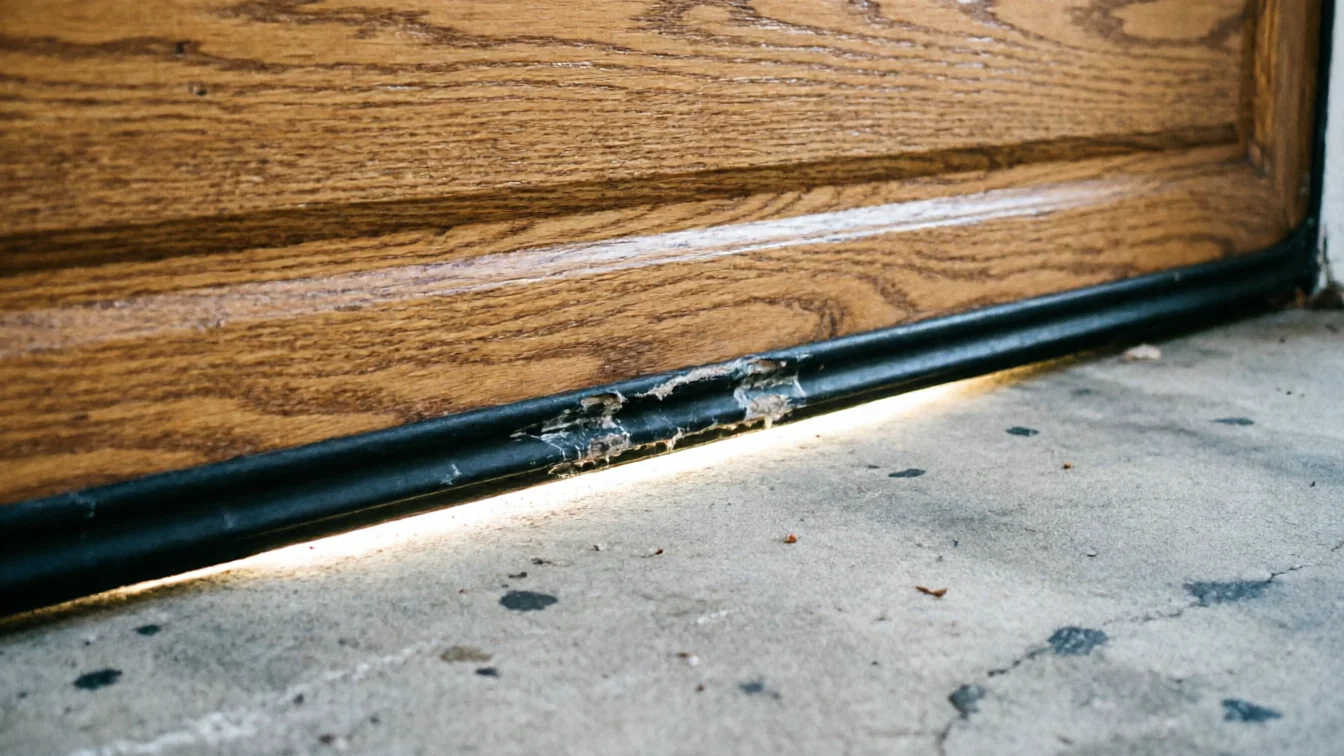
Farmington's homes mostly went up between 1938 and 1986, with the bulk of that from the 1960s and 70s. That matters more than people think. A door and track system installed when a house was built in 1962 has been through sixty-plus winters of a cold-severe climate band, and steel fatigues differently in that kind of cold than it does somewhere mild. Torsion springs lose tension faster in sustained low temperatures, and the galvanized coating on older cable and hardware wears thin after enough freeze-thaw cycles. Weather seals and drafts go hand in hand here too: a bottom seal that was fine in September turns brittle and cracks once the real cold sets in, and once it cracks, cold air finds the gap and the opener motor works harder just fighting stiff, cold-contracted components. None of this is dramatic. It's slow wear that adds up because the housing stock is old enough that most of these systems are on their second or third major component failure, not their first. A door that's 55-60 years old on its original track hardware is a different repair job than a door installed five years ago, even if the symptom looks the same from the driveway.
The Common Mistake
The mistake we see most in this area is treating a stiff or noisy door as a lubrication problem when the real issue is age-related shrinkage and hardening in rubber and vinyl parts. People spray the track, the door moves a little easier for a week, and then it's back to grinding. On a house from the 1960s-70s era, the bottom seal and sometimes the between-panel seals have hardened from decades of cold-severe winters and summer heat cycling. Lubricant doesn't fix that. Another version of this mistake: assuming a torsion spring that's lasted this long will keep lasting. Springs are rated by cycle count, not by calendar year, but in a climate band like ours, cold makes steel more brittle right when the spring is doing its most work - heavy doors in winter, when wood or insulated panels have absorbed moisture and gotten heavier. A spring that's been fine for years can let go on the coldest week of the year, which is exactly when a garage door failure is worst, with a vehicle trapped inside and the opener straining against a broken spring. Waiting for an obvious break instead of checking spring condition proactively is the pattern we'd push back on.
What to Check
On a home from this era, start with the weather seals and drafts at the bottom of the door and along the sides. If the rubber has gone hard and doesn't flex back when you press a thumb into it, it's past its service life. Next, check the torsion spring's coil gap and look for any rust streaking down from the coils, which is common after enough cold-humid cycles even indoors. Rollers matter too: 1960s and 70s track systems were often built with steel rollers rather than the nylon ones common now, and steel rollers in this climate band develop flat spots and get loud in cold weather specifically. Check the track mounting brackets for looseness, since original lumber framing in houses this old has shrunk over the decades and brackets that were tight in 1965 can have slack now. Finally, look at the opener's force settings if the house still has an older unit - a door that's picked up extra weight from humidity or added insulation over the years needs different force settings than it did when installed, and that's an easy thing to miss on a system nobody's touched since the opener went in.
The Situation
Across the service area there are 49,017 households and 26,971 owner-occupied houses, with a median household income of $99,286. That income level tends to mean people replace a worn door system before it fails completely rather than patch it repeatedly, and it's often the better call on a door this old - once a torsion spring, rollers, and seals are all near end of life at once, replacing the whole system can cost less over time than three separate service calls. We won't tell you to replace a door that just needs a seal and a spring, and we won't pad a job. Where we draw an honest line: if the track and hardware are original to a 1960s build and still structurally sound, repair is usually the right answer, but if the panels themselves have rusted through or warped, that's a replacement conversation, not a repair one.
Frequently asked questions
How old is the typical garage door system in Farmington?
Most housing here was built between 1938 and 1986, with the bulk from the 1960s and 70s, so a lot of original or first-replacement door hardware in Farmington is decades old. That age, combined with a cold-severe climate band, is why springs, seals, and steel rollers show wear patterns that are specific to older houses rather than new builds.
Why does cold weather break garage door springs here more than elsewhere?
Torsion springs are rated by cycle count, but cold-severe winters make steel more brittle right as the door gets heavier from humidity and cold-stiffened panels. On an older spring that's already near the end of its rated cycles, that combination is often what finally causes it to let go, usually on the coldest week of the year.
Are weather seals worth replacing on an older door?
Yes, especially on houses from the 1960s-70s era. Rubber and vinyl seals harden over decades of freeze-thaw cycling, and once they crack, cold air gets in around the door and the opener works harder fighting stiff components. It's a low-cost fix compared to the strain it puts on springs and the opener over a winter.
Related garage door services in Farmington
More garage door guides
Book garage door service in Farmington
Call now or request a quote - tell us what the door is doing and where you are.